Thriving in a Modern World

In recent years of my career, I've spent time with organizations either already on their journey or just starting out with platform engineering. One thing they have had in common is their need to modernize and standardize, usually without being able to create a greenfield environment.
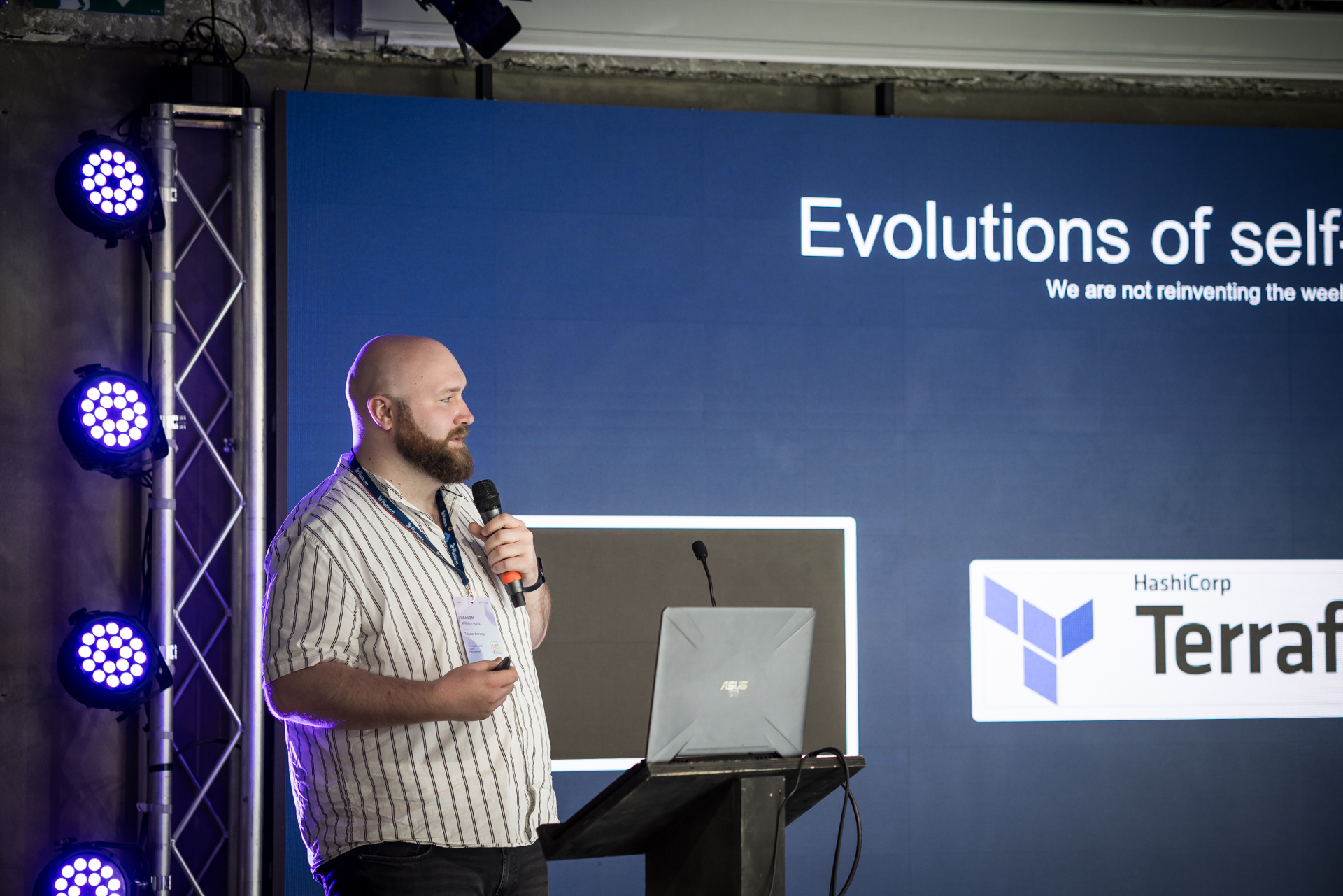
The biggest differences between them have been ambition, mandate, and organizational maturity. There’s no one-size-fits-all, of course, but there are some real common denominators I believe we should be able to identify, structure, and turn into a playbook of sorts. This blog post is my understanding of platform engineering as of 2026, influenced by new and old experience, combined with the great resources already written and published by others. The goal: thriving in a modern world.
To better enable a common understanding of the subject, we all need to know what a platform engineering team's output normally is and how ambition, mandate, and organizational maturity influence the final product.
Platform Engineering Definition
There are as many definitions of any IT buzzword as there are grains of sand in the universe. However, some common understandings do exist. One definition by Microsoft states the following:
Platform engineering is a practice built up from DevOps principles that seeks to improve each development team’s security, compliance, costs, and time-to-business value through improved developer experiences and self-service within a secure, governed framework.
It's both a product-based mindset shift and a set of tools and systems to support it. — Source
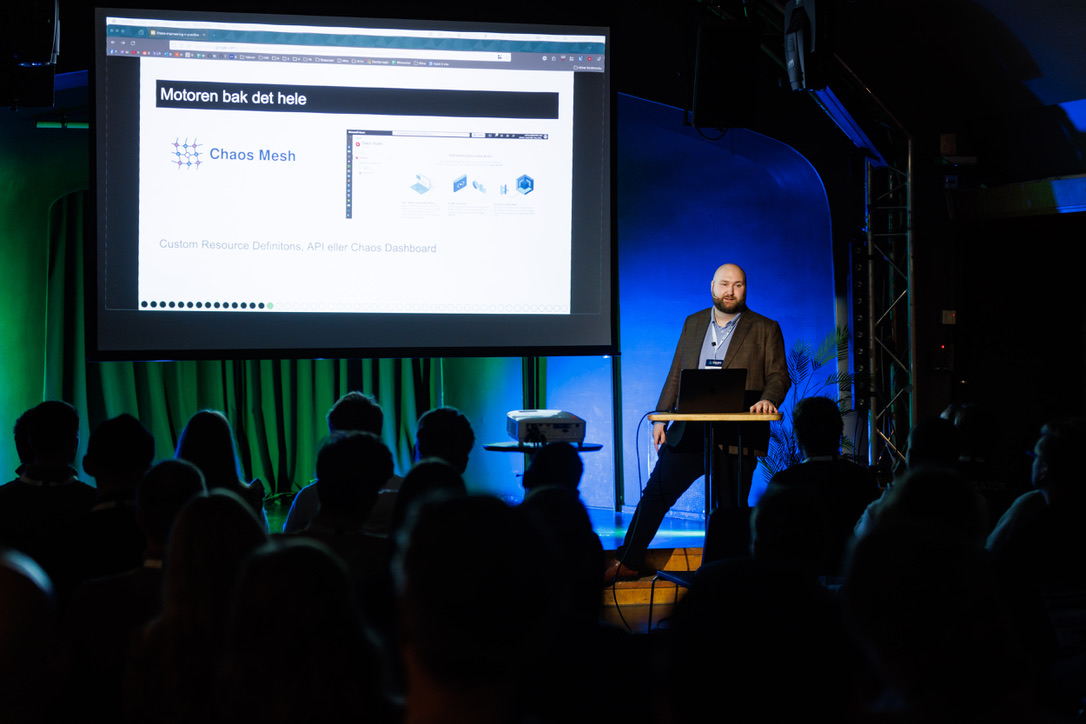 Pic by Håkon Broder Lund